08:50 – 09:30 Matthias Kern Honorary Session
The Concept of Veneer Tooth Preparation Design in the Digital Era
It is not an overstatement to say that veneer restorative treatment has now become recognized as an alternative to crown prosthetics due to the spread of the biomimetic approach on the part of the dentists and the expectation for minimally invasive treatment from patients.
At the same time, with the recent remarkable demand for the application of digital technology of dentition along with the advent of monolithic prosthetic restorative materials, the redefinition of protocols and essential skills in veneer preparation as in other areas of dentistry is currently in progress among clinicians and researchers worldwide.
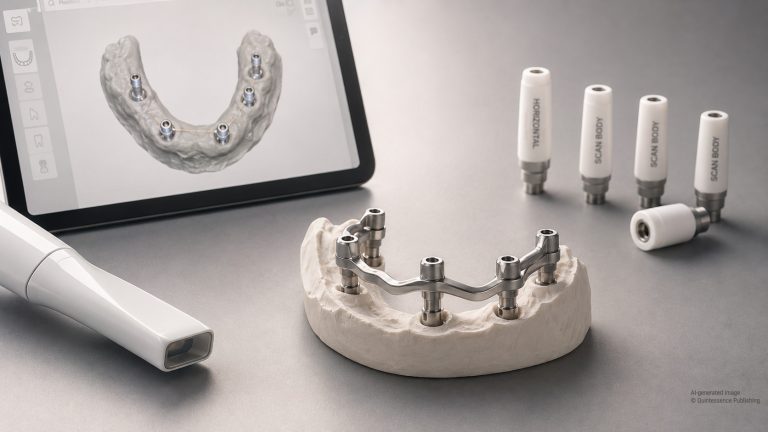
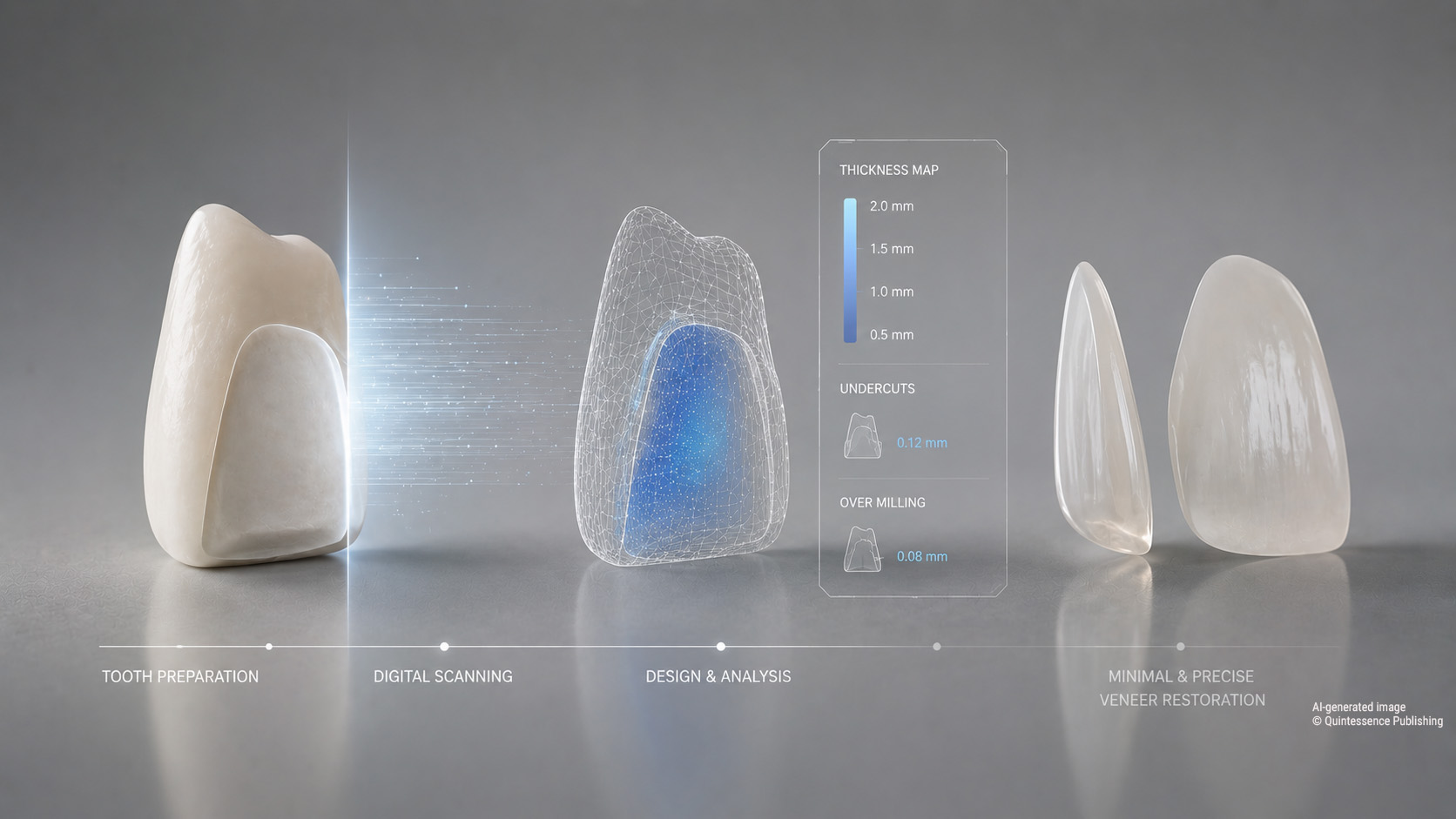
One of the major benefits of digital dentistry is the visualization of treatment. The existence of undercuts and over milling processes in tooth preparation, as well as the confirmation of material thickness, which were previously invisible, can now be easily and clearly visualized on the digital model on the screen. This advancement in technology has greatly enhanced the accuracy of tooth preparation.
In terms of design of the preparation, preserving as much enamel as possible is important from the perspective of tooth flexure control, which has contributed to the reduction of the overall amount of preparation being made. In particular, with regard to the design of the finish line, vertical edgeless preparation such as feather edge and chamfer without edges were used, instead of horizontal finishing designs such as the conventional chamfer or shoulder, because such finishing designs were appropriate for digital technology for veneer preparation in terms of preserving the mechanical properties of enamel and avoiding edge loss.
Speaker

Prof. Dr. Masayuki Okawa DDS